Mars's Dark Streaks Mystery Finally Solved — And No, It’s Not Aliens (Again)
火星の黒い筋の謎がついに解明――またしてもエイリアスの仕業じゃない件
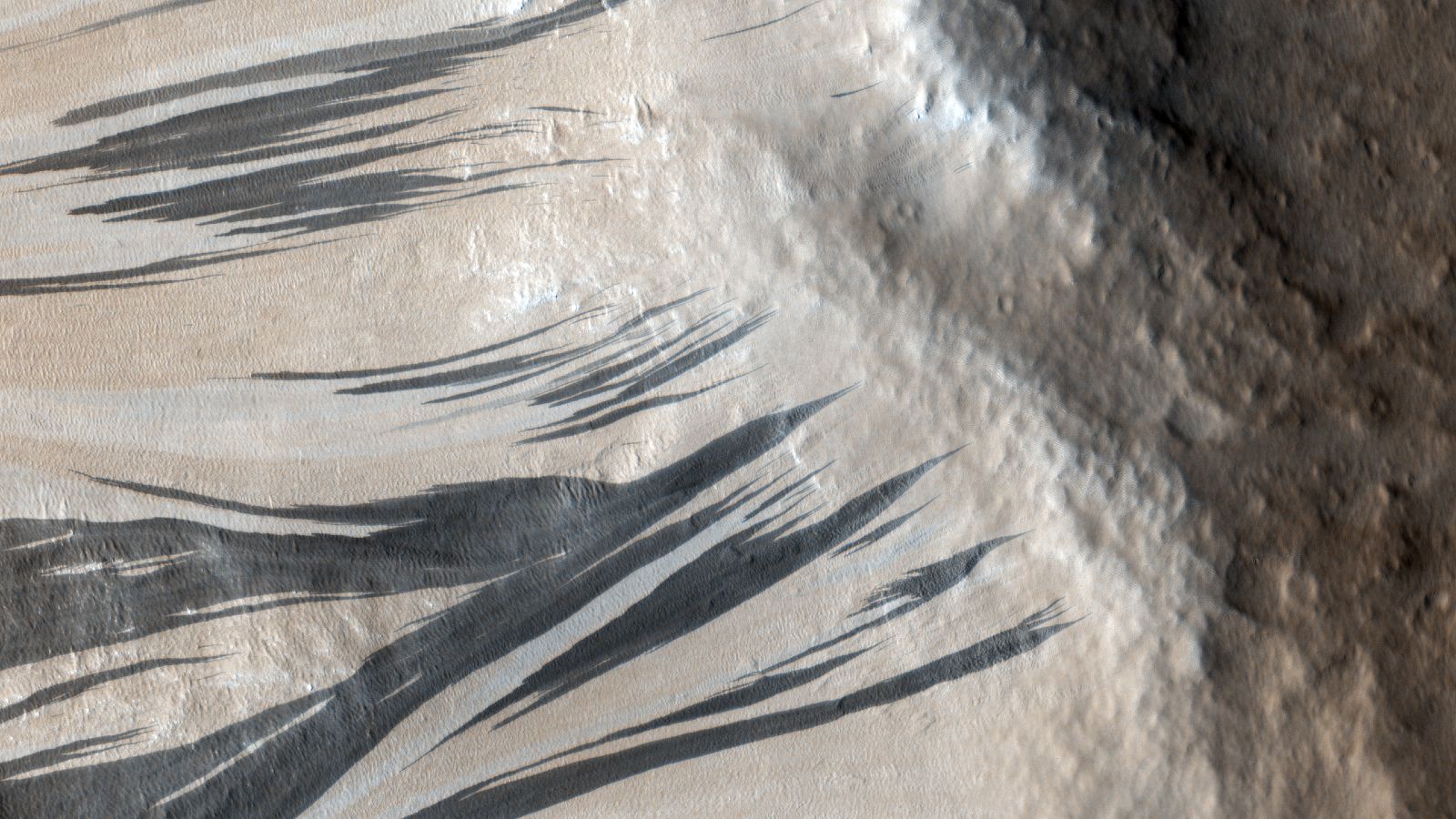
www.livescience.com
So after decades of speculation, we finally learn that Mars’s dark slope streaks aren’t caused by briny water flows or alien gardeners, but by good old wind and dust. Turns out, it’s not rocket science—it’s just dust sliding down hills when the wind picks up. The real kicker? We missed it for 50 years because it mostly happens at dawn and dusk, under low-light conditions that our orbiters couldn’t catch.
数十年にわたる憶測の末、火星の暗い斜面筋が塩水の流れでもエイリアスの庭師でもなく、ただの風と宇宙塵によるものだと判明した。要はロケット科学じゃなく、風が強くなると砂が斜面を滑り落ちるだけだ。最大の衝撃は? この現象は主に薄明時の低光量環境で起きるため、探査機が観測できなかったこと。50年も見逃していた理由がそれだ。
The kicker gets even better: these streaks might be the planet’s single largest source of atmospheric dust—more than global dust storms. This isn’t a sideshow; it’s central to Mars’s climate engine. Yet we only noticed it once we had decades of high-res orbital data. Makes you wonder what other 'obvious' Martian processes we’re still blind to.
さらに衝撃的なのは、これらの筋が火星の大気中の塵の最大の発生源かもしれない点だ――全球的な塵嵐よりも多い。これは余興じゃない。火星の気候システムの中心的存在だ。高解像度の長年分の観測データがあってはじめて気づけた。他にも、私たちがまだ盲点で見過ごしてる「自明」のプロセスが他にもあるんじゃないか?
正直、水じゃないのはホッとした。火星で奇妙な現象が出るたび、見出しは『液体水発見!』って大騒ぎになるけど、結局は霜か影だったりするんだよ。クリック目当てのセンセーショナリズムはやめようよ。
将来のミッションにとってこれはとても重要だ。斜面の筋が主要な塵の発生源なら、想定以上にソーラーパネルの劣化やエアフィルターの目詰まりが早まるかもしれない。
待ってよ、既存の筋1本あたり年間0.05の新筋? つまり年間8万本ということだけど、消えるスピードも速かったら? たかだか18年しか観測してないだろ。これは地質学的時間スケールとは言えない。
筋が日の出・入りにできるのは詩的だ。火星が目を覚まし、塵が動き出し、惑星が自らを再形成していく。まるで呼吸しているようだ。
これでやっと火星大気モデルの『消失していた塵の発生源』が説明できる。季節的な風成過程をずっと過小評価していたんだ。教科書を書き直す時期だ。
まさに。ある地域ではこれらの筋が年中活動的なら、居住地には追加の遮蔽とろ過手法が必須だ。火星の塵は単なる厄介ものじゃない――体系的なリスクだ。
あるいは高解像度の画像が単に筋を多く見せているだけかもしれない。探査機による科学でも、確認バイアスは現実だ。
未来の火星入植者に『斜面筋』を説明する光景を想像してみて。『ああ、春になると斜面が黒い線を流すけど、普通の現象だよ。水じゃない、ただの塵の癇癪さ』