Massachusetts Just Unveiled Its Coastal Survival Plan—But Can It Survive the Budget Cuts?
マサチューセッツ州がついに沿岸防衛プランを発表したが、予算削減の波に飲まれずに生き残れるか?
insideclimatenews.org
So the ResilientCoasts Initiative is finally here—a 144-page love letter to climate adaptation that everyone agrees is brilliantly comprehensive, yet nobody has the cash to actually build. It’s like writing a perfect emergency evacuation plan during a five-alarm fire and expecting people to read it first.
ようやくリジリエントコースト計画が登場した。144ページにわたる気候適応のための愛の手紙で、誰もがその包括性に感心するが、肝心の実行資金がない。まるで5段階の緊急火災の中で、住民に避難計画の文書をまず読んでから動けと言うようなものだ。
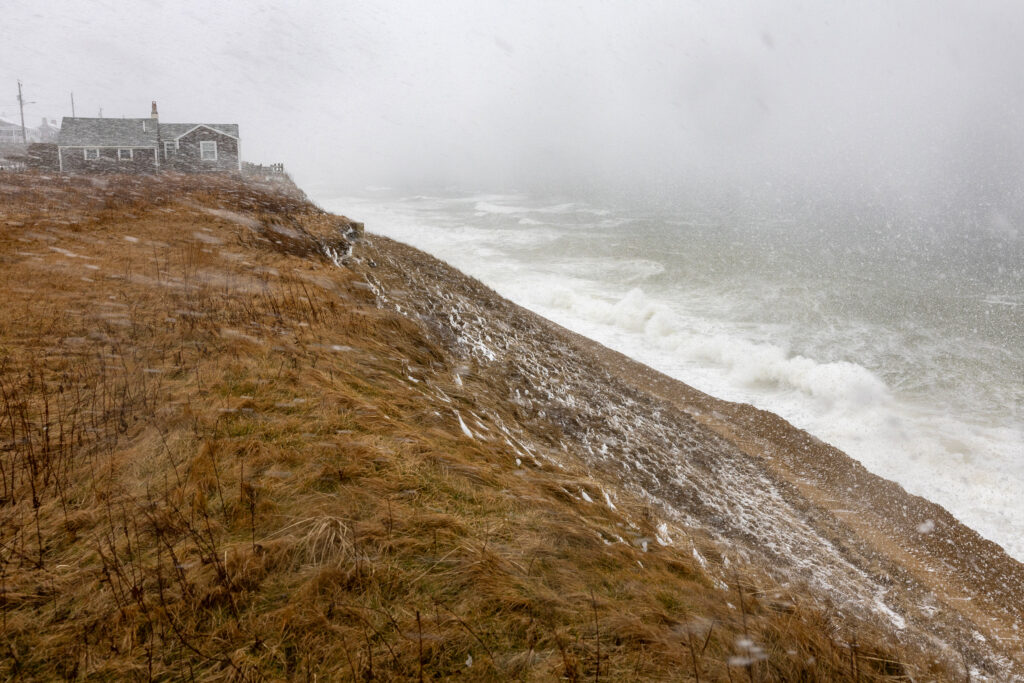
The irony? Billions in damage are projected by 2100, but federal resilience grants are being slashed. The state wants to use nature-based solutions—dunes, marshes, buybacks—which are smart, long-term bets. But ‘voluntary’ buybacks without funded incentives are just polite suggestions. Without money, even genius plans dissolve into policy confetti.
皮肉なのは、2100年までに数十億ドルの損害が予測されているのに、連邦の防災助成金は削減されている点だ。州は自然を活用した対策—砂丘や塩性湿地、買取制度—を提案。長期的な戦略としては賢明だが、補助金がない『任意の』買取プログラムは丁寧なお願いにすぎない。お金がなければ、卓越した計画もただの紙くずと化す。
正直に言おう。防災対策への1ドル投資は将来的に13ドルの節約になる。これは環境保護ではなく、基本的な経済リテラシーだ。だが政治家は適応策を消火器ではなく、高級スパのように扱っている。私たちは今、遅延のツケを暴風潮や地下室の浸水で支払っている。
『任意』に私の家を買い取ると?住宅ローンも思い出もここにある。今すぐ現金を見せろ—未来の約束ではなく。そうでなければ、それはただ別の形の沿岸ジェントリフィケーションだ。
実際、買取制度の目的は住民を追い出すことではなく、将来の納税者の大惨事を防ぐことだ。コミュニティを消すのではなく、自然がそれらを守れるよう空間を確保している。
リスクを承知で海辺に住む人のために、なぜ私の内陸の税金を使うのか?私の家も地下室が浸水するが、州の買取はない。これは海岸の不動産への救済策のように感じる。
防波堤などの硬いインフラは、失敗するまでしか機能しない。一度越流すれば、以前より酷い浸水に直面する。自然のバッファーは『弱い』のではない。海岸線と共に進化する適応的で動的なシステムなのだ。
その通り。人工構造物は壊滅的に失敗するが、自然システムは優雅に失敗する。砂丘の一部が削られても、時間とともに再構築される。両方が必要だが、私たちは『生きている』対策への投資を大きく怠ってきた。
または、海面が上昇しているのではなく、単に人間の建築技術が劣っているだけかもしれない。その結果を自ら受け入れるべきだ。適者生存だ。学校が資金不足なのに、砂丘や『回復力』の寓話に金を使う余裕はない。
年間10億ドルの暴風被害予測を無視して『回復力』を『寓話』と呼ぶ?それは懐疑でも何でもなく、意図的な無知だ。教育と気候安全は排他的な存在ではない。実際、どちらも私たちの未来への投資なのだ。