Are Captive Tiger Farms Fueling the Illegal Trade? The Shocking Data Behind the Surge
繁殖施設が密猟を助長している? 全体像を狂わせる密輸増加の衝撃データ
abcnews.go.com
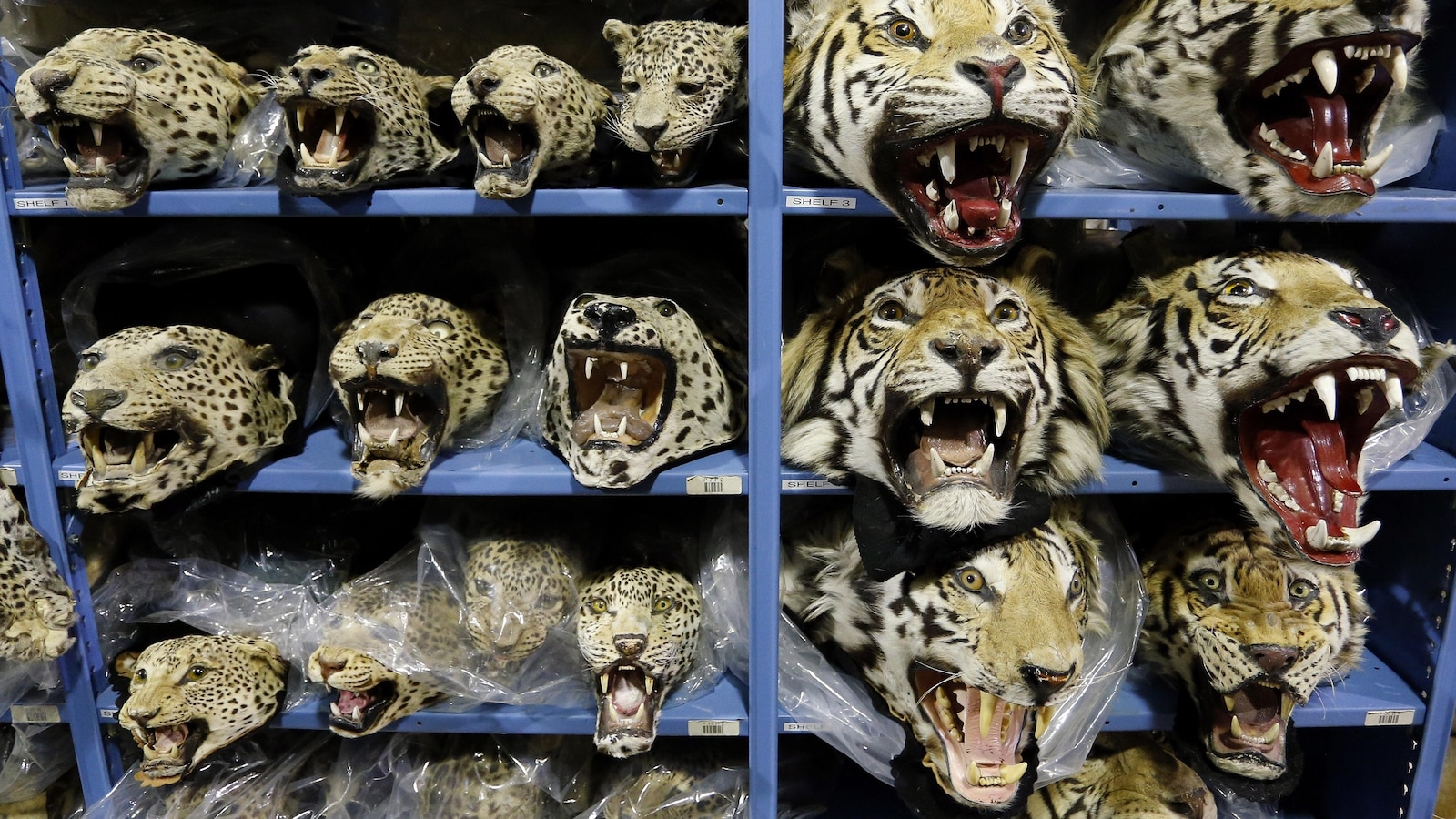
So, conservation groups have spent decades trying to save wild tigers, but here we are — more tigers are being seized whole than ever, and a big part of the problem might be ‘legal’ breeding facilities. I’ll say it: these farms are basically laundering wildlife.
何十年もかけて保全団体は野生のトラを守ろうとしてきましたが、現状はむしろ全体として seizingされる数が増えており、その主因にいるのが『合法』とされる繁殖施設かもしれません。ハッキリ言いましょう。これらは野生動物のマネロン(資金洗浄)みたいなものです。
The shift from parts to whole tigers is a red flag. It suggests organized trafficking, possible links to exotic pets, taxidermy, or even breeding front operations. And the fact that seizures are rising doesn’t mean we’re winning — it might just mean the trade is bigger than ever.
部位ではなく全体として押収される割合の増加は「赤信号」です。これは組織的な密輸や、 exotic pet・剥製・繁殖施設の表看板としての利用との関連を示唆しています。そして、 seized数が増えているからといって、我々が勝っているとは限りません。むしろ取引そのものがこれまで以上に大規模になっている可能性があるのです。
データがわれわれに叫んでいます。2000年代の90%が部位だったのが、いまや6割が生体と死体。これは単なる変化ではなく、密輸手法そのものの大転換です。犯罪ネットワークは取り締まりよりも早く適応しています。単に密猟者を追っているだけではなく、高リスクな犯罪的「軍拡競争」で遅れを取っているのです。
タイやベトナムでは、保全を謳いながらも搾取そのもののような『トラ寺院』やプライベート動物園を見てきました。観光客は子トラと触れ合うために支払い、それが『繁殖→麻薬で大人しくさせる→捨てる』という連鎖に火をつけていることに気づいていません。そして、こうしたトラの大半はやがて密輸の対象になります。これらは犠牲者を出しているだけの、派手な写真撮影スポットにすぎないのです。
以前、子どもたちを『レスキューセンター』に連れて行きました。体験のために料金を支払いました。でも今となっては、こうした施設の多くが表看板に過ぎないことを知って、気分が悪くなります。普通人にはどうやって見抜けというのでしょう?
相関があるからといって因果関係があるとは限りません。押収数の増加は、取り締まりが改善している証拠かもしれない。取引が増えているとは限らない。それでも、生体・死体の押収比率の変化はノイズではなく、明確なシグナルです。
13の野生トラ生息国が戦線を維持していますが、消費者国である米国・英国・メキシコは、より強力な輸入禁止措置が必要です。取り締まりだけで需要問題を解決することはできません。根本的に、これは供給の問題ではなく消費の問題なのです。
人々が大型ネコ科動物を好むのはわかります。でも、トラを飼うのは犬を飼うのとは違います。これらは複雑なニーズを持つ頂点捕食者です。『かわいい赤ちゃん』の時期なんて3か月しか続きません。その後は危険で高額になり、やがて密輸の対象になることが多い。野生動物を美化するのはやめましょう。
現実を見ましょう。トラの前足がブラックマーケットよりインスタグラムで価値を持つようにならなければ、何も変わりません。保全は常に資金不足です。『本当の』危機と競合しているからです。でも、インフルエンサーが運営する保護施設なら、実際に効果があるかもしれません?