He Thought He Found Gold — But It Was Something Older Than Earth Itself
金だと考えた彼が見つけたのは、地球より古い存在だった
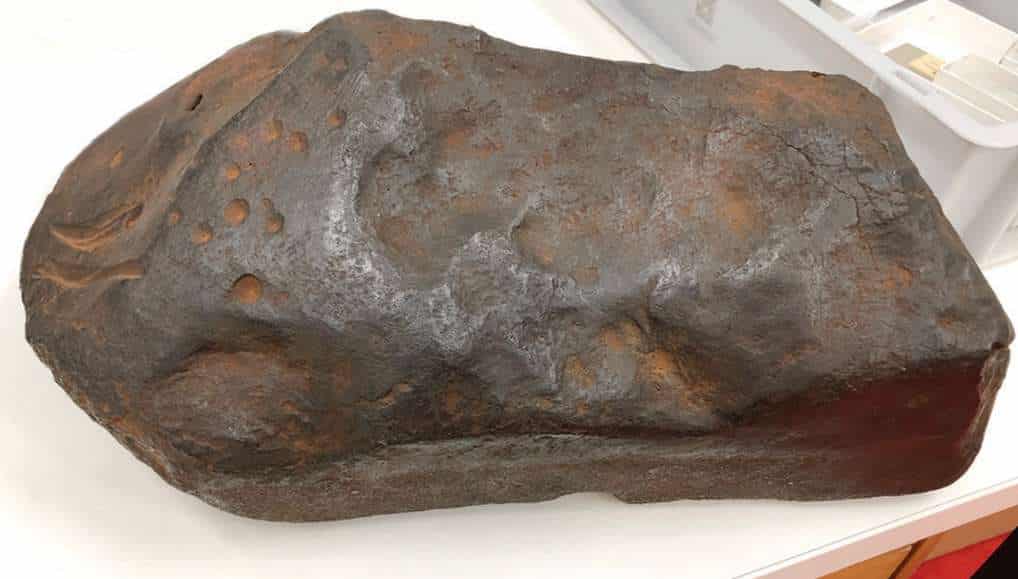
greekreporter.com
David Hole wasn't chasing space rocks—he was after gold. Armed with a metal detector in Victoria’s gold rush country, he thought he’d struck it rich. Instead, after three years of saws, drills, and even a sledgehammer failing to crack his mysterious lump, he brought it to the Melbourne Museum. They didn’t find gold. They found a 4.6-billion-year-old meteorite.
デイビッド・ホールは宇宙の石を探していたわけじゃなかった。彼が狙っていたのは金だった。金属探知機を手に、かつてゴールドラッシュで賑わったビクトリア州を歩いていた彼は、大金持ちになるチャンスを掴んだと思っていた。しかし、三年間、のこぎりやドリル、はたまた大ハンマーさえ通じなかったその奇妙な塊を最終的にメルボルン博物館に持ち込んだ結果——金ではなく、46億年前の隕石が明らかになった。
This isn’t just a space rock—it’s a time machine. The Maryborough Meteorite, now classified as an H-type ordinary chondrite, contains chondrules: droplets from the Solar System’s birth. Geologists call it ‘cheapest space exploration.’ And yet, it was nearly turned into a paperweight by a man who just wanted to prove it wasn’t iron.
これはただの宇宙からの石じゃない。時間旅行装置だ。マリーボロウ隕石は現在H型普通コンドライトと分類されており、太陽系誕生時にできたコンドリュールと呼ばれる微小な滴を内包している。地質学者たちはこれを『最も安価な宇宙探査』と呼ぶ。だがその石は、ただそれが鉄じゃないと証明したかっただけの男によって、差し出物の置物にされるところだった。
現実を言おう。隕石の40%はHコンドライトだ。いわば『宇宙のセダン』だ。丈夫で一般的で、ノーベル賞級の発見とは言えない。まあ――物語としては尊敬するよ。金探しの男が宇宙の夜明けの一部を見つけたなんて? ロマンがある。だが、まだジュエリー用に溶かすのはやめておけ。
普通だというのか? それを見つけてみろよ。俺は200ドルの探知機で粘土からこれを掘り出した。鋼鉄さえ切れる道具を跳ね返した。この石は俺のハンマーを笑った。そしてそれを「セダン」だと呼ぶのか?
この話の真のテーマは隕石じゃない。ゴールドラッシュ神話だ。オーストラリア人は『金で救われる』という話と共に育つ。男が土の中から石を引き出し、苦難からの脱出手段だと信じる——そしてそれが生命さえ存在しなかった時代の残骸だと知る。これは科学を超えて、文化的な心理療法だ。
地球より古い石だって? それはつまり、この惑星がまだ形成されていなかった頃にすでに漂っていたということだ。こういう発見のたびに、鳥肌が立つ。俺たちは太古の星の欠片を持っているんだ。だから科学が好きなんだ。
皆さんはただの鉄・ニッケル合金をロマン化している。俺は隕石を触ったことがある。確かに重いが、魔法じゃない。真の奇跡は? 3年も諦めなかったあの男の執念だ。
ダーモット・ヘンリーとビル・バーチはただ『特定した』んじゃない。ダイヤモンドのこぎりと微細分析を使ったのだ。彼らは単なる石好きじゃない。白衣を着た時間旅行者だ。彼らに評価を与えよう。
この石は大気突入を生き抜き、土の中で何百万年過ごし、大ハンマーさえも跳ね返した。なのに趣味の探知機を持った男にたまたま見つかった。正直? 宇宙が『真剣に考えすぎるなよ』と言っているようなものだ。
それでも俺の金床よりは軽い。