So much for the Mars lake hype — Did we just get trolled by radar ghosts?
火星の湖の話は大騒ぎの割に虚構だった? レーダーの幽霊にだまされた?
www.jpl.nasa.gov
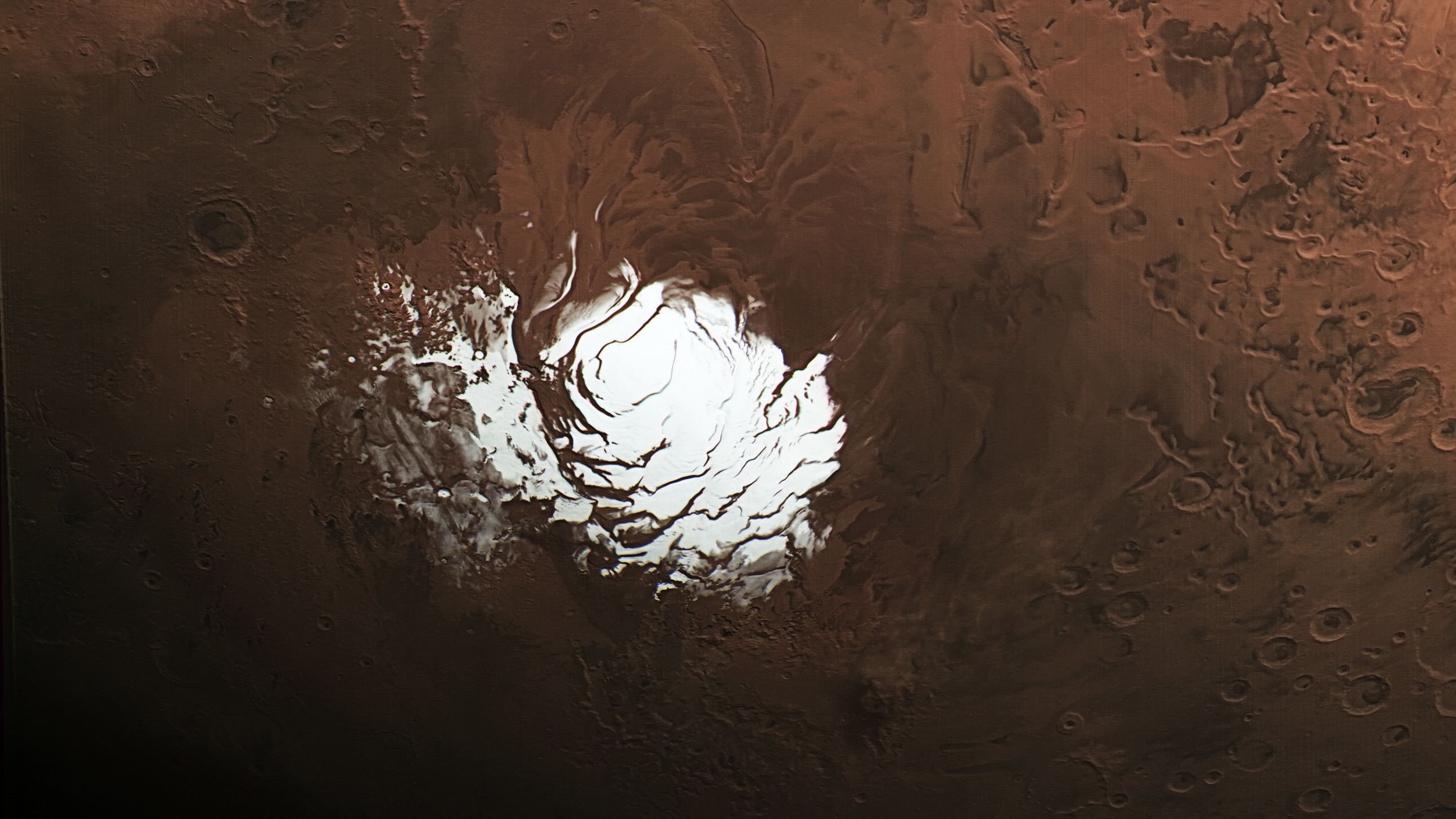
Back in 2018, the discovery of a possible underground lake at Mars' south pole lit up the astrobiology community like a supernova. Water + Mars = potential life, right? But now, with a fancy new spacecraft roll technique, NASA's MRO says: 'Actually, it’s probably just dusty rock.'
2018年、火星南極に地下湖がいるかもしれないという発見は、astrobiology界を超新星のように熱狂させました。水+火星=生命の可能性、ですよね? でも今、NASAのMROが新しい宇宙船の旋回技術を使って『いや、ただの岩と埃の層でしょう』と言ってます。
The twist? The same radar upgrade that debunked the lake could be a game-changer for finding real ice reserves—especially near the equator, where future astronauts would actually want to live. So, no alien fish. But hey, maybe alien construction sites?
でもこの反転の真価は? 湖の存在を否定したのと同じレーダー技術が、将来の宇宙飛行士が住みたい赤道付近での氷資源発見に革命を起こすかもしれないのです。なので、宇宙人魚はおあずけ。でもね、宇宙人建築現場ならありえる?
MROを120度も旋回させるのは、単なる『かっこいい』どころか、ほぼ狂気の沙汰です。あの宇宙船はそんな極端な動きのために作られていません。7億2000万ドルの人工衛星が他の惑星を周回中に不安定になるリスクを冒しているんです。それを成功させたって? 純粋な工学的魔術ですよ。
湖の話が幻だったのは残念ですが、この技術がレーダー科学に与える意義を軽視しないでください。『弱い信号』とMARSISの『強い信号』の違い? 誘電特性の差を示す教科書的な例です。私たちは湖を否定しているだけでなく、火星の地下を正しく読む方法を学んでいるのです。これは非常に重要です。
ジャーナリスト、私自身も含めて、『火星に湖』というストーリーを確かに盛って報道しました。しかし、それは完全に私たちのせいではありません。科学者たちも控えめながら期待していたのです。真の問題は? 私たちみんなが、科学は自分自身を修正するものだと忘れてしまったこと。
魚なんてどうでもいい。本当に興奮するのは、火星の水資源を正確にマッピングできるツールを手に入れたかもしれないこと。もしメドゥーサー・フォッサエに氷があり、赤道付近の資源を利用できれば? それが地球化の土台になります。
付け加えると、正直に言うと、120度の旋回は宇宙船の太陽光パネルや位置センサーに負担をかけます。事前に詳細なシミュレーションはしたでしょうが、たった一つのエラーで火星探査の要となる機体を失うリスクがあります。
氷は単なる水資源ではありません。それは気候の記録庫です。層一つひとつが火星の大気史のスナップショットです。だからこそ、湖があるかどうかにかかわらず、マッピングする必要があるのです。
まさに! もし赤道付近に氷層があれば、極地から氷を運ぶ必要がなくなります。人類の居住計画そのものが一変するでしょう。
つまり…これで火星での生命発見の可能性は諦めるんでしょうか? それとも、探す方法がただ賢くなっただけ?