A 550-Pound Bear Named Barry Is Living Under a House… Again. Is It Cute or a Crisis?
550ポンドのクマがまた家の中に…「バリー」と名付けられたクマの住居侵略、かわいい? それとも危機的な状況?
laist.com
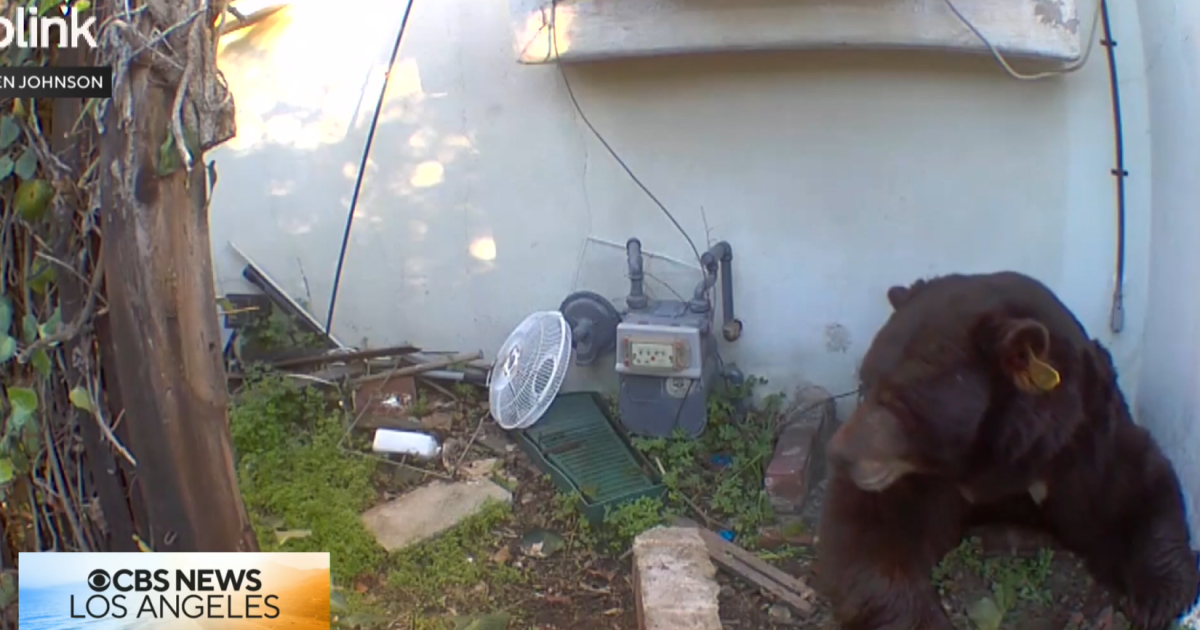
So a 550-pound black bear nicknamed 'Barry' has once again taken up residence under someone’s house in Altadena — five months after being relocated. And no, this isn’t a scene from a Wes Anderson movie. Wildlife officials are now using cherry-scented lure and motion-activated sprinklers, while trying not to panic the stressed-out bear.
550ポンドのアメリカグマ「バリー」が、移動されてからわずか5か月後、また別の家の下に住み着いてしまった。しかもこれはウェス・アンダーソンの映画のワンシーンじゃない。担当当局は今、チェリーエキスの誘引剤や動体感知スプリンクラーを使いながら、ストレスがたまったクマを刺激しすぎないよう慎重に動いている。
The real question isn’t just how to get Barry out—it’s whether we’re prepared to coexist with wildlife that’s increasingly moving into urban areas. Climate change, habitat loss, and our own poor trash habits are blurring the line between wild and domestic. Barry isn’t just breaking into homes—he’s walking into a world we built for him.
本当の問題は、バリーをどうやって出すかではない——人間の生活圏にどんどん侵入してくる野生動物と共存できるか、だ。気候変動、生息地の消失、そして私たち自身のゴミの出し方のまずさが、「野生」と「住宅地」の境界を曖昧にしている。バリーは家に侵入したんじゃなく、私たちが彼のために作った世界に歩いて入っただけなんだ。
これは野生生物管理の失敗の典型的な例です。生息地の回廊が復元されなければ、移動なんて意味がありません。10マイル移したからって、都市のごみという『バイキングスタイルの食事』をクマが忘れるとでも? 長期的な生態的計画が必要で、目先の広報ごっこじゃ何も変わりません。
生態学的な主張はわかりますが、550ポンドのクマが『あなたの家』の下にいたら、もはや理論じゃない。恐怖です。我々は這い場を補強しましたが、高齢の住民全員が鋼製メッシュを買う余裕があるわけじゃない。クマへの配慮が、人間の安全を犠牲にしてはいけません。
バリーはストレスを感じていて、ただ安全な場所を探しているだけです。行き止まりの路地の近くに生まれたいなんて、彼は願っていません。アンモニアやスプリンクラーを使うのは嫌がらせです。非致死的抑止は構いませんが、私たちは症状に対処しているだけで、根本的解決にはなっていません。
「バリー」? 子ども向けアニメのキャラみたい。これはかわいくない。550ポンドの雑食動物が、まるで自分の家みたいに家の下でくつろいでるだけ。
バリーは気候難民です。本当ですよ。森林が焼けたり乾燥したりするにつれ、クマたちは近郊住宅地に移動している。これはこれからもっと普通になります。都市には『野生動物回廊』やクマ対策インフラが必要です。PR向けのスローガンだけじゃなく。
その通りです。はっきり言いましょう。人間がクマの領土に都市を広げておいて、来たからって驚くふりする。それは共存じゃなく、偽善です。
もちろん偽善でしょう。でも、COPDを持つ私の隣人は、軒下で爪の音が聞こえたら、土地倫理のディベートなんてできません。共感は双方向に働くべきです。
確かに。でもまずは、『迷惑クマ』なんて呼ばず、私たちが再構築した世界で生き延びようと必死なだけ、って見つめ直すことから始めませんか?