Chattanooga’s Traffic Crisis: Is 'Induced Demand' a Scientific Truth or Just an Excuse to Do Nothing?
チャタヌーガの交通混乱:『誘発需要』は科学的真理か、それとも何もしないための言い訳か?
www.timesfreepress.com
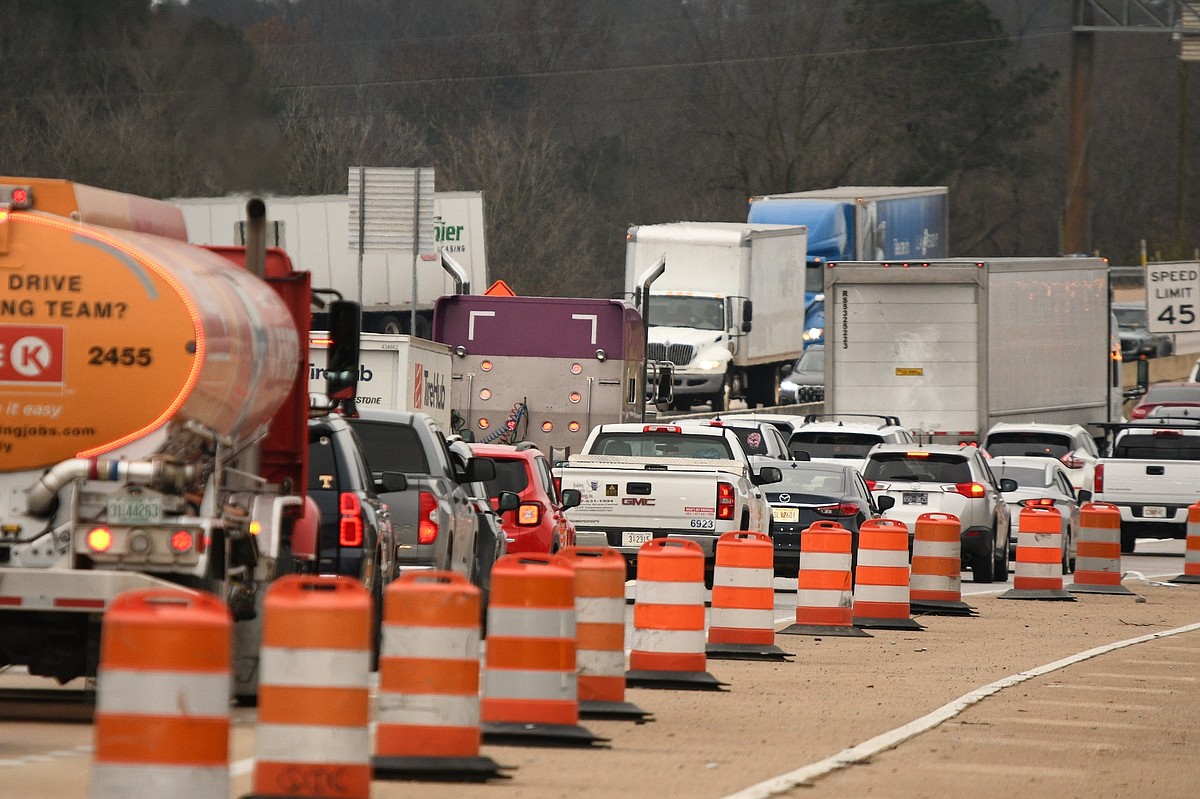
The editorial dismissing engineering fixes for Chattanooga’s traffic is less 'visionary urbanism' and more 'willful ignorance of physics.' Congestion isn’t solved by wishing cars away—it’s managed. When demand already overloads Brainerd Road, pretending we shouldn’t add freeway lanes because of some theoretical 'induced demand' is like refusing to build bigger sewers because more people might flush.
チャタヌーガの交通問題に対して工学的解決を無視する社説は、『先進的都市論』というより『物理学の無視』と呼ぶべきだ。交通渋滞は『車が消えてくれる』と願って解決するものではなく、管理してこそ解消される。ブレインヤード・ロードですでに需要がパンクしているのに、理論上の『誘発需要』を理由に高速道路の車線を増やすのを拒むのは、『人がもっと便器を使うかもしれない』から下水道を広げないのと同じくらい馬鹿げている。
Let’s be honest: modernizing signals and building smarter arterial roads shouldn’t need defending. But demanding a plan from urbanists—actual numbers on transit efficacy, cost, and congestion impact—is not anti-progress. It’s anti-superstition. If a bus lane can move 2,700 people per hour, show me the data. Until then, stop treating math like it’s optional.
正直に言おう。交通信号の近代化やスマートな幹線道路の整備は、今さら説明される必要すらない。だが、都市プランナーたちに実際の数値——公共交通の効果、コスト、渋滞削減の影響——を求めることは、進歩に反対するのではなく、迷信に反対することだ。バス専用レーンが1時間に2700人を運べるというなら、そのデータを示してみろ。それまで、数学を無視しないでほしい。
エンジニアは『誘発需要は実際には存在しない』と言うのが好きだが、何十年ものデータがその逆を示している。ヒューストンを見てみろ。30年間延々と高速道路を拡張した結果、交通渋滞は悪化しただけだ。一方でコペンハーゲンのような都市は自転車と公共交通を優先した結果、渋滞は抑制され、暮らしの質は向上した。工学が敵ではない。だが車線を増やす行為は、風邪を治すために髪を切るようなものだ。
それをうちの子たちに言ってみろ。彼らは学校に行くためにブレインヤード・ロードを横断しなければならない。スケートボードの子を避けるために車線変更したせいで、うちのミニバンのサイドミラーはすでにへこんでいる。これは理論的な議論じゃない。命に関わる問題だ。自転車レーンを増やしたい?構わない。でも、うちの子たちが安全に歩けるようになるまでは、交通車線をなくすのはやめてくれ。
『データを出せ』と言う人へ:これを見ろ。BRT専用レーンは1日あたり1万5千~2万人を運ぶ。一方、一般車線は2千~3千人だ。これは魔法じゃない。数学だ。そして、公共交通を整備すれば車の所有率が下がるため、『誘発需要』も抑制される。だが、必要なのは両方だ。より良い道路と、より良い公共交通。これは『どちらか一方』じゃない。
BRTの数字は感動的だが、建設費、維持費、用地取得コストを加味すると話は変わる。一本のBRT路線の費用で、何マイルの新道路が建設できるだろうか?
正直なところ?私たちは迷走している。車線を増やすには連邦資金が必要だが、それは手に入らない。公共交通案は『隣には作るな』運動に潰される。実際に実現するのは?信号のタイミング調整だけだ。派手じゃないが、これが通せる唯一のものだ。
このすべての議論が見落としている最も弱い存在——歩行者だ。都市部の交通事故死者の60%は歩行者だ。私たちは車をより速く移動させることばかり語るが、道路を人々にとって安全にする話はしない。これは進歩ではない。怠慢だ。
ありがとう。先週火曜日、うちの子がひかれるところだった。誰もそんなことは語らない。ただ車線のこと、データ、理論ばかり。ここで実際に暮らしている人がいるんだ。