China's Astronauts Stranded in Space: Is This the Dawn of a New Space Rescue Era?
中国の宇宙飛行士が宇宙で孤立――宇宙救難時代の幕開けか?
www.livescience.com
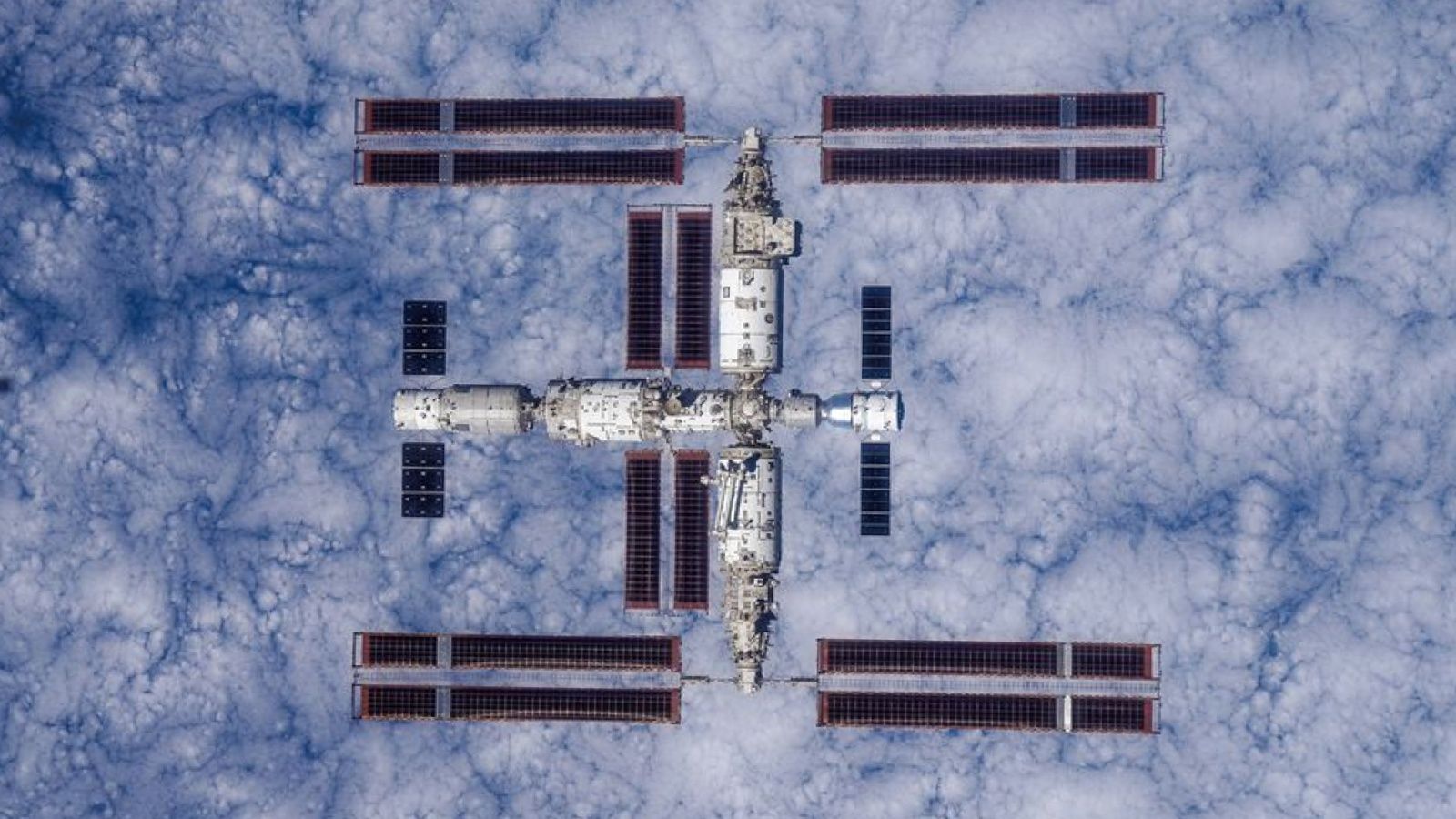
So the Shenzhou-20 crew are stuck not because of tech failure, but because space junk took out their ride home. Irony alert: the very thing we launch into orbit is now blocking our return. And yet, China’s pulling off a flawless orbital handover with two crews onboard — no panic, just business as usual.
シェンチョウ20号のクルーが足止めされているのは技術的故障ではなく、宇宙ごみが帰還用宇宙船をぶっ壊したせいだ。皮肉なことに、人類が宇宙に放り込んだ物自体が、帰還を阻んでいる。だが中国は二組のクルーが乗る中での完璧な軌道上の引き継ぎを実行中で、混乱はない。まるで日常業務のように進んでいる。
Meanwhile, Chen Dong’s about to break his own record — 416 days and counting. Congrats, I guess? But let’s be real: no astronaut signs up for ‘accidental ultra-marathon in low Earth orbit.’ This isn't a victory lap — it’s a wake-up call wrapped in a PR win.
一方、陳冬は自分の記録を更新しようとしている――416日、そしてカウント中。おめでとう、って感じか? だが正直に言おう。誰も『低軌道での不本意なマラソン』に志願して宇宙飛行士になったわけではない。これは祝うべき快挙ではなく、宣伝効果に包まれた目覚まし時計だ。
救難ミッションをこんなにスムーズにドッキングできたのは驚異的だ。だが、これは宇宙交通管理の失敗ではないと装ってはいけない。発射するたびにごみが増え、そのたびに衝突リスクが上がる。我々は軌道上のロシアンルーレットをやっている。
これは気候変動の縮図だ。技術の恩恵を享受しながら、外部性を無視し、報いを受けるまで気づかない。宇宙ごみは「共有地の悲劇」の究極形だ。軌道は誰のものでもない――だから誰もがゴミを捨てる。
正直に言う? もし9か月になっても、地上の9時~17時の仕事と交換するよ。毎日無重力ヘアデーだしね。ぜひ参加させて!
髪の乱れが楽しい? 宇宙飛行士が無重力で『くしゃみ』した後の浮遊する醤油の塊を掃除してみなよ。思ってるほどエレガントじゃないから。
現在、宇宙ごみの削減を義務付ける国際条約はない。これは見過ごしではない――意図的な無視だ。10億ドルの人工衛星が塗料のかけらで破壊されたとき、誰が責任を取る? ズバリ:誰もだ。
そして救難ミッションが衝突を引き起こしたら? そこからケスラー連鎖が起きるかもしれない。1つのドミノが衛星千基を倒す。瞬く間に低軌道はフライト禁止区域に。その代償、誰が払う?
中国がこれを上手くこなした? まあね。でもこの「成功」とは、宇宙で死なないことだ。それは高い水準じゃない。英雄的な対応じゃなく、基準が必要だ。
21世紀へようこそ:宇宙での未来は、革新よりもむしろ被害対策にかかっている。我々は先駆者ではなく、博士号を持った清掃員だ。