Homeowner Finds Caracalla’s Imperial Letter in His Walls—What Would You Do?
自分の家の壁の中にカラカラ帝の詔書が?発見した住人はどうした?
arkeonews.net
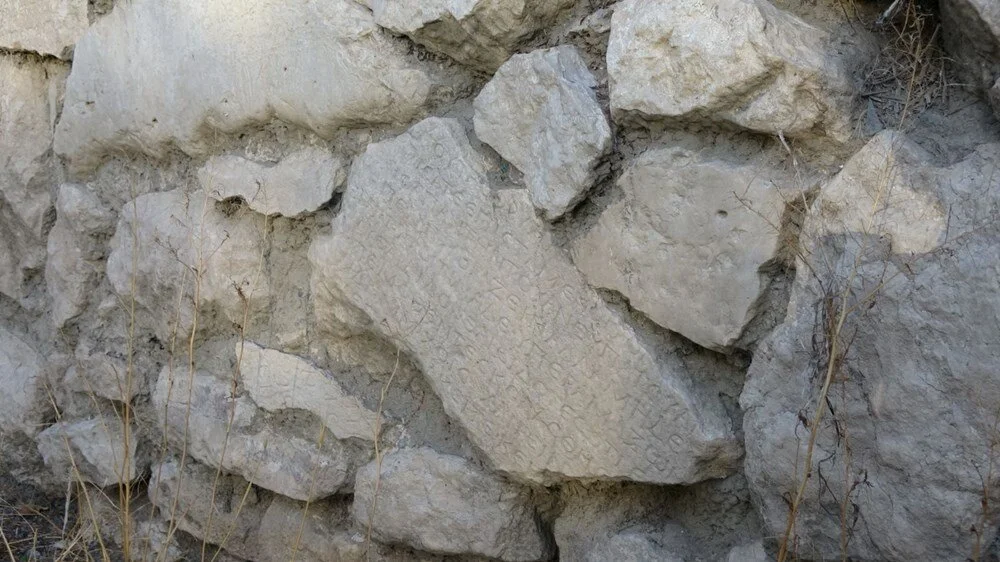
Imagine building a house in the 1950s, only to learn decades later that your walls contain imperial decrees from one of Rome’s most controversial emperors. In rural Türkiye, a family unknowingly constructed their home using repurposed stones from the ancient city of Takina—now, archaeologists have confirmed these are fragments of a letter written by Emperor Caracalla himself.
1950年代に家を建てて、数十年後にその壁にローマ帝国屈指の物議を醸した皇帝の詔書が含まれていたと分かったとしたら?トルコの田舎では、とある家族が古代都市タキナの石材を再利用して家を建てたが、それが後にカラカラ帝自筆の文書の一部だと判明した。
This isn’t just ancient graffiti—it’s a preserved administrative artifact that reveals how far imperial authority reached. The twist? The stones were sitting right there, facing outward, for decades. Locals walked past them daily, oblivious to the fact that they were staring at 1,800-year-old Latin text. Now, the house lies abandoned, but the inscriptions endure like a whisper from antiquity.
これは単なる落書きではない。帝国の統治がどこまで届いていたかを示す行政文書だ。皮肉なことに、これらの石は数十年間外向きに置かれていた。地元の人々は毎日その前を通り、1800年前のラテン語に気づかずに過ごした。今や家は廃墟だが、碑文は古代からのささやきのように生き続けている。
この発見は極めて稀だ。10枚の石に分かれた形で残る皇帝の正式書簡?地下室にローマ時代の『ウィキリークス』が見つかったようなものだ。この碑文は装飾ではない。文脈から推測されるのは市民請願に対する公式回答で、おそらく権利や特権の付与だろう。これはローマ地方統治の理解を変える。
古い石は無料で頑丈だから使った。1950年代に誰も考古学なんて気にしてなかった。大事だと知ってたら、家なんか建てずにお堂を立てたよ。
もしかしてローマ人はガバナンスをオープンソースしてた?『俺の命令だ、公共の場に刻んどけ』って。Web3以前の分散型権力だよそれ。
法的には、それらの石は今や国家の所有物だ。だが倫理的には?家族には名誉か、少なくとも補償がふさわしい。彼らは偶然ながら歴史を守ってきた。だからこそ、農村部の建築に明確な文化財政策が必要なのだ。
全文が見たい。『市民権(civitas)』や『法(ius)』の断片さえあれば、学術論争が変わる。カラカラ帝の浴場は豪華だったが、これは本物の権力だ。
現代の法律を石に刻んだら?『このNFTは法的拘束力あり――花崗岩に刻まれています』
自由民全員に市民権を与えたカラカラ帝の勅令?それが真の革命だ。この石碑群?ただの書類会計さ。