When Academia Refuses to Shake Hands with Industry: The 19th-Century Train That Never Came
学界が産業界と手を握らない時:来なかった19世紀の汽車
theconversation.com
Tübingen, the 1477-founded university town just 20 miles from Stuttgart, once famously snubbed the industrial revolution by rejecting a railway connection—because, apparently, steam engines and factory grime were beneath their scholarly dignity. The elites saw industry as vulgar, a distraction from pure knowledge. Sound familiar?
1477年に創立された大学都市テュービンゲンは、スツットガルトからわずか30キロの場所にありながら、かつて産業革命の象徴である鉄道接続を拒否した。蒸気機関と工場の汚れは、学問の純粋性を損なうと当時の知識人たちは考えたのだ。まるで今も聞こえるような話だろうか?
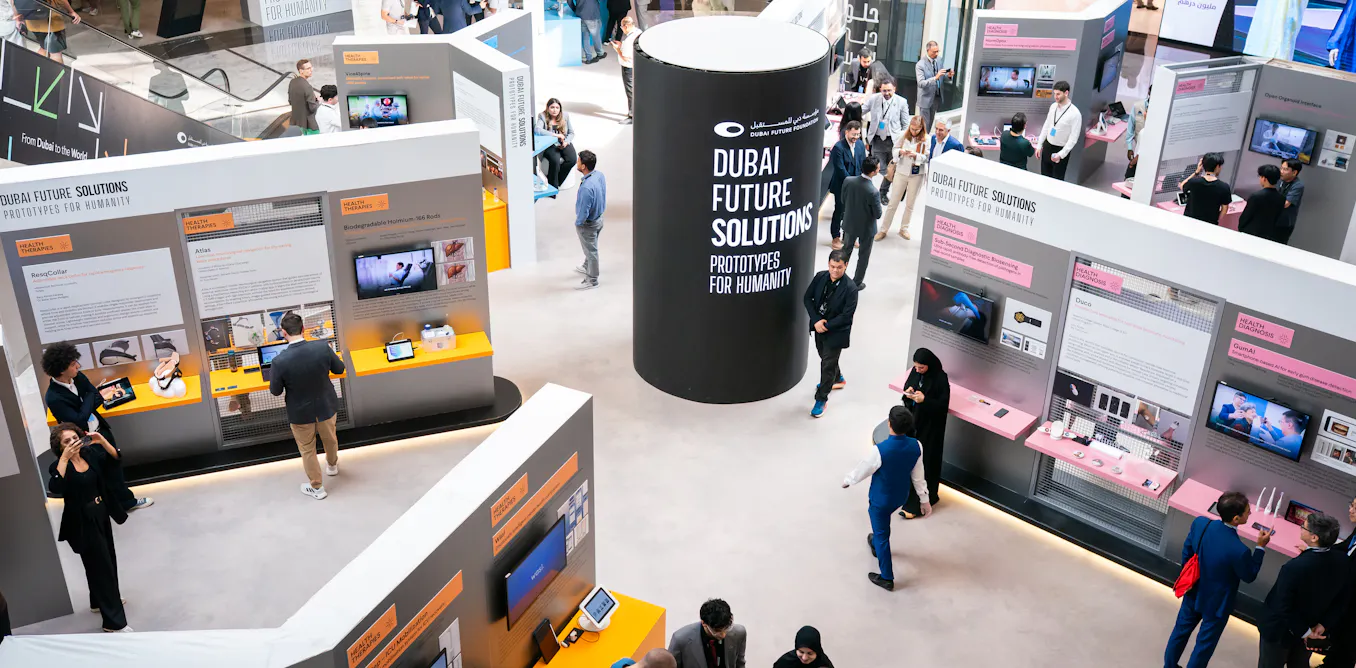
Fast forward to 2025: Dubai’s 'Prototypes for Humanity' is doing the exact opposite—forcing elite academics into boardrooms, startups, and city hall. They're not just publishing papers; they're building real-world fixes. Irony? The same institutions that once feared 'contamination' by commerce are now scrambling to collaborate. Maybe Tübingen finally got its train — just 150 years late.
2025年に目を移すと、ドバイの「ヒューマニティのためのプロトタイプ」は正反対のことをしている。エリート学者たちを会議室やスタートアップ、市政に積極的に送り込むのだ。学術論文を発表するだけではなく、実際の問題解決を真剣に進めている。皮肉なことに、かつて『商業との接触』を恐れた学問機関が、今や協力のために必死になっている。テュービンゲンの汽車は、やっと来たのかもしれない。ただし150年遅れての話だが。
これは『救済』というより、生き残りの戦略だ。大学が急に利他的になったわけじゃない。資金削減と無関心の現実に反応しているだけだ。産業界のパートナーが研究室を支援しなければ、博士課程の学生は消えてしまう。象牙の塔は崩れつつあり、それを賢い教授たちはわかっている。
『ヒューマニティのためのプロトタイプ』はテクノロジーの展示以上だ。それは政策のプロトタイプなのだ。研究者たちは実際に都市で社会的イノベーションの限界を試している。これは革命的だ。もし1875年にテュービンゲンが『はい』と言っていたら、学問の孤立主義という100年間を避けられたかもしれない。
やっとだ。実利に踏み込んだ学者たち。もう『使えそうだが用途不明』な理論枠組みは終わり。『産業を変える可能性がある』と言いながら実際は顧客調査ゼロの論文を、何度も聞いてきた。ドバイのモデルこそが未来だ。研究者を現実の問題の前に立たせるべきだ。
我々は知識と商業の分離をロマン化するが、学問界が純粋だったとは言えない。王たちは哲学のためではなく権力のために大学を資金援助した。今の違いはスケールとスピードだ。それでも、研究が生み出した特許数で評価されなかった時代が懐かしい。
そして、教授が多国籍企業と提携したとき、知的財産は誰のものになるのか? それが真のボトルネックだ。
ドバイのモデルは、都市全体をハッカソンのように捉えることで、官僚主義を回避している。延々と続く倫理委員会ではなく、行動が最優先だ。危険か? そうだ。ドイツより速いか? まさにそうだ。
忘れてはいけない。ドバイには石油資金があり、迅速に動く政府がある。これは民主主義国家では簡単に再現できない。だが、その精神は普遍的だ。
民主主義は遅い。だからドイツのスタートアップは許可を得るのに6ヶ月かける。ドバイは『作れ。その後で規制する』と言う。大きな違いだ。