Is Your Car the New Power Bank? Polestar & Volvo Bet Big on Bidirectional Charging
क्या आपकी कार अब नया पावर बैंक है? पोलस्टार और वोल्वो बाइडायरेक्शनल चार्जिंग पर लगा रहे हैं बड़ी दांव
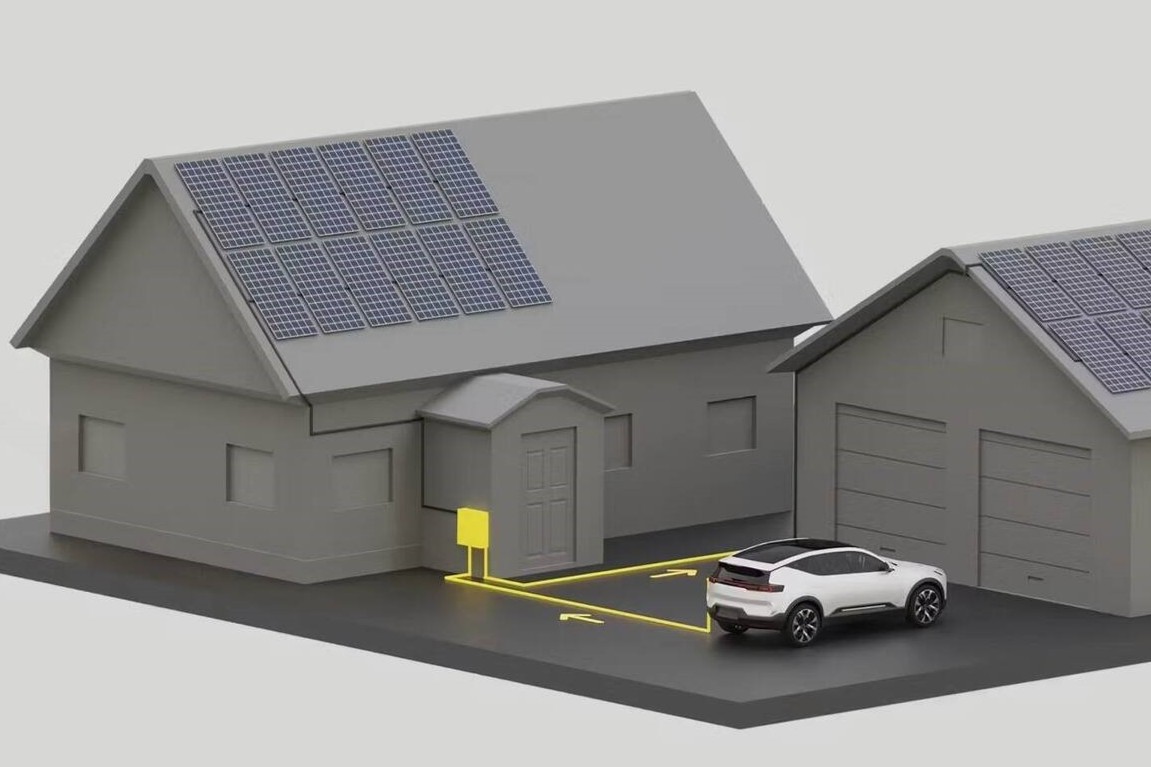
तो अब पोलस्टार और वोल्वो कारें बेच रहे हैं जो घर के बैकअप और मोबाइल पावर स्टेशन का भी काम करती हैं? उस युग में आपका स्वागत है जहां आपकी कार सिर्फ पार्क नहीं होती—वह काम भी करती है। dcbel और Zaptec के साथ साझेदारी करके वे कैलिफोर्निया के ड्राइवर्स (फिलहाल) के लिए एक चुस्त ऑफर दे रहे हैं: स्मार्ट चार्ज करें, सालाना $1,300 बचत करें, और अंधेरे में दस दिन तक घर को बिजली दें। यह सिर्फ कुशलता नहीं है—यह जीवनशैली में बदलाव है।
सच्चाई क्या है? आपकी कार खाली बैठे समय भी ग्रिड को स्थिर कर सकती है। यह साइ-फाई नहीं है—पोलस्टार इसे घरेलू ऊर्जा के लिए एक 'गेमचेंजर' कहता है। लेकिन वास्तविकता में सोचें: क्या नेब्रास्का का औसत घर मालिक वाकई परवाह करता है कि उसकी एसयूवी दस दिन तक फ्रिज चला सकती है? और सामान्य ब्रांड्स के बारे में क्या? क्या वे वी2एच (वाहन से घर) क्रांति में पीछे छूट रहे हैं?
ऊर्जा वितरण में काम करने वाले व्यक्ति के तौर पर मैं यह कहूंगी: बाइडायरेक्शनल चार्जिंग सिर्फ सुविधा नहीं है—यह ग्रिड स्थिरता की बात है। इलेक्ट्रिक कारों को लाखों छोटी बैटरियों की तरह सोचें जो दोपहर में अतिरिक्त सौर ऊर्जा सोख सकें, और शाम 6 बजे मांग बढ़ने पर उसे वापस भेज सकें। यह एक बुद्धिमान और हरित ग्रिड है। कैलिफोर्निया के बार-बार बिजली कटाव तो इस तकनीक को अनिवार्य बना देते हैं।
रुकिए। हम कारों की तारीफ कर रहे हैं कि वे पावर बैंक हैं लेकिन यह नजरअंदाज कर रहे हैं कि अब भी ज्यादातर अमेरिकी लोगों के घरों में लेवल 2 चार्जर नहीं है। यह तकनीक सिर्फ 1% के लिए है। और बैटरी के क्षरण के बारे में क्या? बार-बार बिजली भेजने और लेने से बैटरी जल्दी खराब होगी। मुझे लंबे समय की वारंटी दिखाइए।
संदेहात्मक सारा को: बैटरी टेक्नोलॉजी अब पहले से हजारों चार्ज चक्र झेलने में सक्षम है। आधुनिक इलेक्ट्रिक कारों में बुद्धिमान बैटरी प्रबंधन प्रणाली (BMS) होती है जो वी2एच के दौरान गहन निर्वहन रोकती है। आप हर रात उसे 0% तक नहीं चलाते। और हां, यह शुरुआती दिन हैं—लेकिन इसे ‘सिर्फ अमीरों के लिए’ कहकर नकारना यह भूल देता है कि सौर ऊर्जा की शुरुआत कैसे हुई थी। क्या आपको याद है जब घर पर पैनलों की कीमत 50,000 डॉलर थी?
ठीक है, यह पैसे बचाने और बिजली कटने से बचने के लिए बहुत बढ़िया लगता है, लेकिन… इसकी लाइव व्यवस्था कितनी मुश्किल है? क्या मेरी गैराज तैयार है? क्या मेरी HOA इसकी मंजूरी देगी? ये वो सवाल हैं जो कोई भी नहीं पूछ रहा।
यहां असली कहानी कार नहीं है—बल्कि नीति है। कैलिफोर्निया की प्रोत्साहन योजनाएं इस तकनीक को आगे बढ़ा रही हैं। लेकिन संघीय ढांचा कहां है? राष्ट्रीय वी2जी (वाहन से ग्रिड) मानकों और उपभोक्ता सुरक्षा के बिना, यह विखंडित, राज्य-दर-राज्य मूर्च्छा बनकर रह जाएगी। इसके लिए DOE-स्तर की कार्रवाई की जरूरत है।
ईमानदारी से? मैं सिर्फ आरा सिस्टम के लिए पोलस्टार खरीद लूंगा। सौर ऊर्जा की निगरानी, घर की बिजली का प्रबंधन और पीक आवर्स में ईवी बैटरी इस्तेमाल करना? यह ऊर्जा स्वायत्तता का अगला स्तर है। मेरी टेस्ला इसका आधा काम भी नहीं कर पाती।
हम ऐसे व्यवहार कर रहे हैं जैसे यह तकनीक जलवायु की उद्धारक है। लेकिन इलेक्ट्रिक कारों का निर्माण अभी भी भारी कार्बन फुटप्रिंट के साथ होता है। पूरे जीवनचक्र के कार्बन तटस्थ होने तक, वी2एच को ‘हरित क्रांति’ कहना लीथियम के साथ गुण दर्शाना है।