Wait—These 'Tiny Dinosaurs' Were Just Babies? The Fossil Record Just Got Hilariously Misunderstood
रुकिए—इन 'छोटे डायनासोर्स' के बच्चे थे? जीवाश्म रिकॉर्ड को समझने में तो ख़ासी भूल हुई है!
www.earth.com
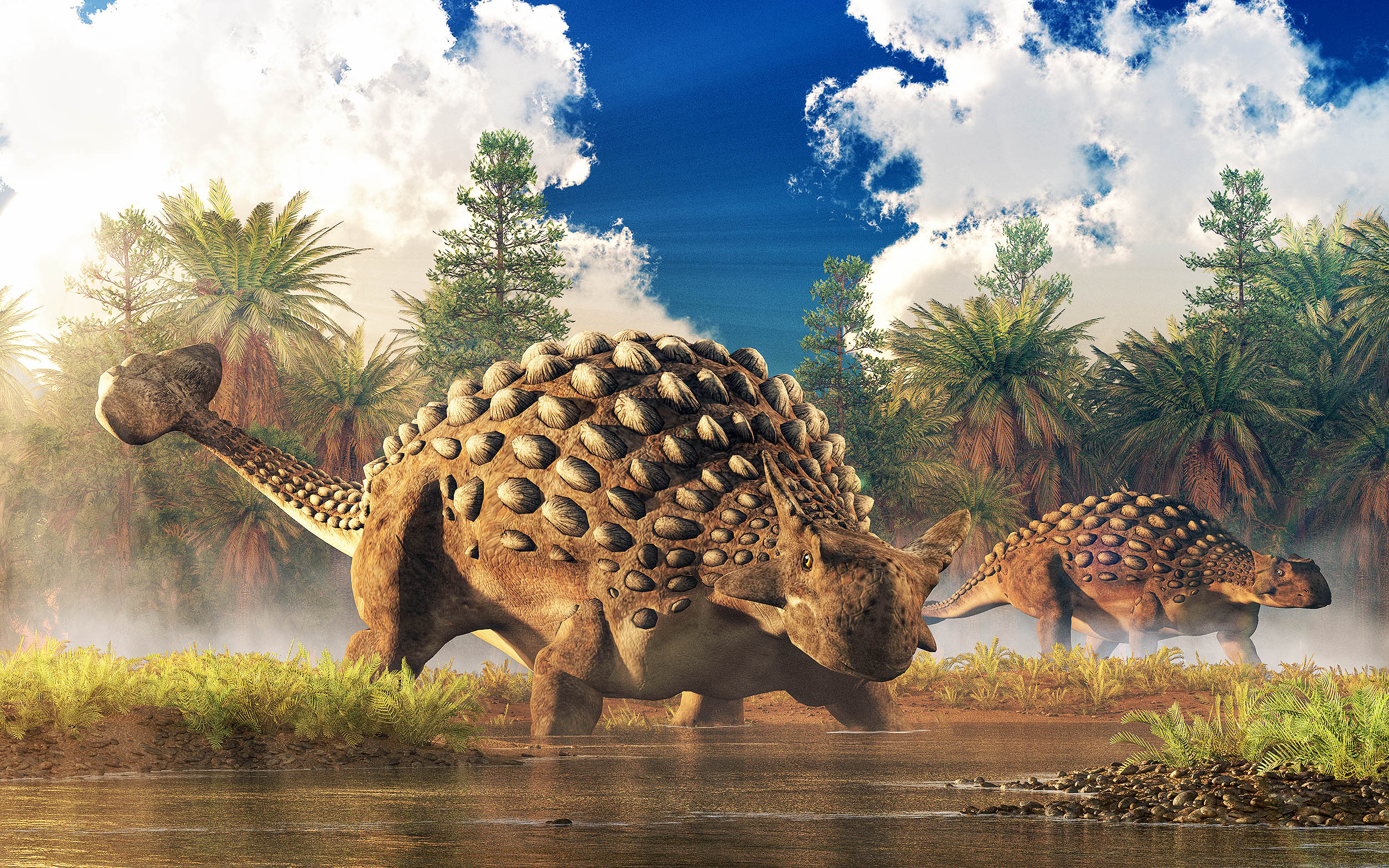
Turns out one of paleontology’s longest-running mysteries wasn’t about evolution—it was about parenting. For years, scientists were stumped by bizarre, palm-sized ankylosaur fossils from China. Were these proof of a rare dwarf species? A never-before-seen aquatic dinosaur? Nope. Just baby dinosaurs who hadn’t grown into their armor yet.
पता चला है कि पुराजीवविज्ञान की सबसे लंबे समय तक चली रहस्यमयी बात विकास के बारे में नहीं थी—यह तो पैरंटिंग के बारे में थी। सालों तक चीन से मिले हथेली के आकार के एंकीलोसॉर जीवाश्म वैज्ञानिकों को उलझा चुके थे। क्या ये एक दुर्लभ बौने प्रजाति का प्रमाण थे? या एक नए प्रकार का जलीय डायनासोर? नहीं। बस ऐसे बच्चे डायनासोर जिन्होंने अभी अपने कवच को पूरा विकसित नहीं किया था।
Microscopic bone analysis revealed something astonishing: zero growth rings. Both the smallest and largest specimens died under one year old. One even showed a 'hatching line'—the biological watermark of a newborn dinosaur. So all this time, the scientific community was basically arguing over baby photos. That’s not just science—it’s comedy gold.
सूक्ष्मदर्शी में हड्डी के विश्लेषण ने कुछ चौंका देने वाला खोला—शून्य विकास वलय। सबसे छोटे और सबसे बड़े नमूने दोनों एक साल से कम उम्र में मर गए। एक में तो 'अंडा फूटने की रेखा' भी दिखी—नवजात डायनासोर का जैविक डिजिटल चिन्ह। तो पूरे समय वैज्ञानिक समुदाय बस बच्चों की तस्वीरों पर बहस कर रहा था। ये विज्ञान नहीं—मज़ेदार खजाने जैसा है।
ठीक है, मज़ाक समझ आ रहा है—लेकिन इसे कम मत समझो। एक अंडा फूटे एंकीलोसॉर को ढूंढना तो पुराजीव विज्ञान में जैकपॉट लगाने के बराबर है। हमारे पास डायनासोरों के कम उम्र के जीवाश्म बहुत कम हैं, खासकर कवच वाले डायनासोरों के। इससे हमें विकास ढांचे, हड्डी के विकास और शायद माता-पिता के व्यवहार के बारे में भी जानकारी मिलती है। साथ ही, 'अंडा फूटने की रेखा' की पहचान? वो तो एकदम उन्नत सूक्ष्मदर्शी कार्य है। यह विज्ञान आगे बढ़ने का बहुत बड़ा कदम है।
रुकिए—पहले किताबें फिर से लिखने से पहले, क्या हम यह पक्का कर सकते हैं कि इनका वास्तव में छोटापन विकसित नहीं हुआ था? कुछ द्वीप प्रजातियों में छोटे आकार का विकास होता है। साथ ही, शून्य विकास वलय? नवजात के लिए तो यह संभव है—लेकिन अगर वे तेज़ी से बढ़ रहे थे और कम उम्र में मर गए तो? हमें पुष्टि पक्षपात से बचना चाहिए। मैं अभी तक पूरी तरह नहीं मान रहा।
संशय का सम्मान करते हैं, लेकिन पेपर में द्वीप बौनापन का जवाब दिया गया है और कई नमूनों पर हड्डी की संरचना का तुलनात्मक अध्ययन किया गया है। सभी नमूनों में शून्य विकास रेखाएं—सबसे बड़े में भी—इसका मतलब है कि इन्होंने विकास की उस अवस्था तक पहुंच ही नहीं की जहां वलय बनते हैं। साथ ही, नवजात रेखाएं अस्पष्ट नहीं होतीं। ये जैविक मील का पत्थर होता है। मेरे हिसाब से सबूतों के ढेर लगे हुए हैं।
दो छोटे बच्चों का पिता होने के नाते, जो खुद छोटे कवचित टैंक जैसे लगते हैं, मुझे इससे विचित्र अहसास हो रहा है। मेरे बच्चे शोर करते हैं, लड़खड़ाते हैं और लगातार खतरे में होते हैं। लेकिन उनके पास 'बच्चों के कवच' का चरण है। अब मैं क्रेटेशियस कीच में लड़खड़ाते एक बच्चे एंकीलोसॉर की कल्पना करता हूँ—बिलकुल बेबचाव, फिर भी कैसे प्यारा लगता है। अब विलुप्ति का अहसास अलग है।
रुको—क्या इसका मतलब यह है कि जब भी हमने एक छोटा 'रहस्य डायनासोर' पाया, वो बच्चा ही था? कितनी ‘नई प्रजातियों’ को हमने बेकार हड्डी-पढ़ने के कारण बना दिया? ऐसा लग रहा है जैसे विज्ञान में हर पार्टी में रोते बच्चे की फोटो दिखाना।
क्या हम वैज्ञानिक नम्रता की इस मास्टरक्लास के बारे में बात कर सकते हैं? वैज्ञानिकों ने 20 साल से अधिक समय तक बहस की, सिद्धांत बनाए, और बाढ़ माध्यम की भी कल्पना की—और अंत में जवाब मिला, 'नहीं, वो बस एक नवजात था।' हम जितना समझते हैं, इतना नहीं जानते। साथ ही, कल्पना करो एग्जाम में सवाल: 'लिआनयांगोसॉरस एक नई प्रजाति नहीं थी—इसके प्रमाण लिखें।' लीजेंडरी।
ईमानदारी से, पूरी घटना ऐसी लगती है जैसे वैज्ञानिक समुदाय ने बच्चों को एक खोई हुई सभ्यता समझ लिया हो और उनके पेंसिल के छोटे-छोटे चित्रों के बारे में इतिहास की किताबें लिख डाली।
ठीक है लेकिन कहीं न कहीं... बच्चे के डायनासोर जीवाश्म का मालिकाना हक कानूनी है? क्योंकि मेरे बच्चे के खिलौनों के डिब्बे में कुछ तो हैं और अचानक मुझे बहुत शक हो रहा है।