Emperor Caracalla’s Lost Letters Found in a Peasant’s Wall — Was This the Ancient World’s Most Accidental Archive?
एक किसान की दीवार में मिले सम्राट काराकाल्ला के खोए हुए पत्र — क्या प्राचीन दुनिया का सबसे बेतुका अभिलेखागार यही था?
arkeonews.net
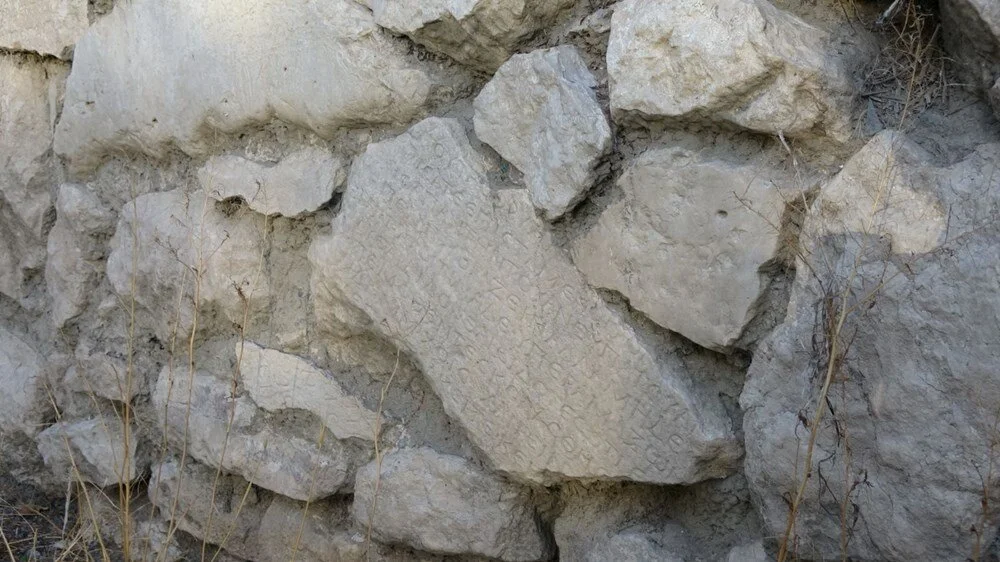
Imagine building your house in the 1950s, using stones from a nearby ruin, only to learn 20 years later that you’ve been living beside a royal Roman decree for decades.
कल्पना करो कि आपने 1950 में अपना घर बनाते वक्त पड़ोस के खंडहर से पत्थर उठाए, और बीस साल बाद पता चला कि आप दशकों तक रोमन साम्राज्य के राजकीय फरमान के साथ रह चुके हैं।
These aren’t just inscriptions—they’re echoes of imperial power, embedded in the foundation of a rural home. Caracalla’s voice, meant for public squares, instead became the silent backdrop to a family’s daily life.
ये महज़ उत्कीर्णन नहीं हैं—बल्कि साम्राज्यिक शक्ति की प्रतिध्वनियाँ हैं, जो एक ग्रामीण घर की नींव में बस गईं। काराकाल्ला की आवाज़, जो जनता के चौकों के लिए थी, परिवार के रोज़मर्रा के जीवन की चुप्पी का हिस्सा बन गई।
इन पत्थरों का प्राचीन शहर से फिर से उपयोग होना कोई आश्चर्य की बात नहीं है। तुर्की के ग्रामीण इलाकों में यह 20वीं सदी तक सामान्य रिवाज था। लेकिन हैरानी की बात यह है कि उत्कीर्णन बच गए—सड़क की ओर मुंह करके—फिर भी दशकों तक किसी ने ध्यान नहीं दिया।
यही कारण है कि ग्रामीण विरासत को बचाने के कानूनों में बड़ा सुधार चाहिए। किसानों ने सामग्री का फिर से उपयोग सम्मान की कमी से नहीं, बल्कि ज़रूरत से किया। इतिहास को ‘नुकसान पहुँचाने’ के लिए उन्हें आपराधिक घोषित करना सामाजिक-आर्थिक संदर्भ को नजरअंदाज करना है।
ओहो, काराकाल्ला—भाई को मार डाला और खून में नहा लिया, लेकिन एक बढ़िया पत्र लिखा और किसानों को पत्थर दिए। क्या यह 'बदलाव की कहानी' थी?
तो लोगों ने अपने घर में लैटिन लिखे पत्थरों को 20 साल तक नहीं पहचाना? हैरानी वाली बात है। दिल से कहूँ तो, अगर काराकाल्ला यह देखता तो शायद केवल आह भरता और कहता, ‘फिर से नहीं।’
यहाँ असली कहानी साम्राज्य के पहुँच की है। काराकाल्ला के पत्र सिर्फ रोम के लिए नहीं थे। ये सत्ता के ठोस प्रतीक थे जिन्हें पूरे साम्राज्य में देखा जाना और माना जाना था।
बिल्कुल सही। और अब वे पत्थर, जो मान्यता के लिए थे, लापरवाही से अदृश्य हो गए। विडंबना सचमुच स्वादिष्ट है।
संग्रहालय ने पहले ही संरक्षण आदेश भेज दिया है। लेकिन एनाटोलिया भर में ऐसे कितने घर हैं? हम शायद हर दिन इतिहास के पास से गुजर रहे हैं।
इसीलिए मुझे पुरातत्व पसंद है। सोने या शोहरत के लिए नहीं, बल्कि इसलिए कि इतिहास दीवारों, कुओं और भूली गई कोनों में छिपा है। यह मरा नहीं है। बस इंतजार कर रहा है।