Macaques Start Dancing to the Backstreet Boys — So Why Can’t All Animals Groove?
Makaken tanzen zu Backstreet Boys – Warum können nicht alle Tiere den Beat spüren?
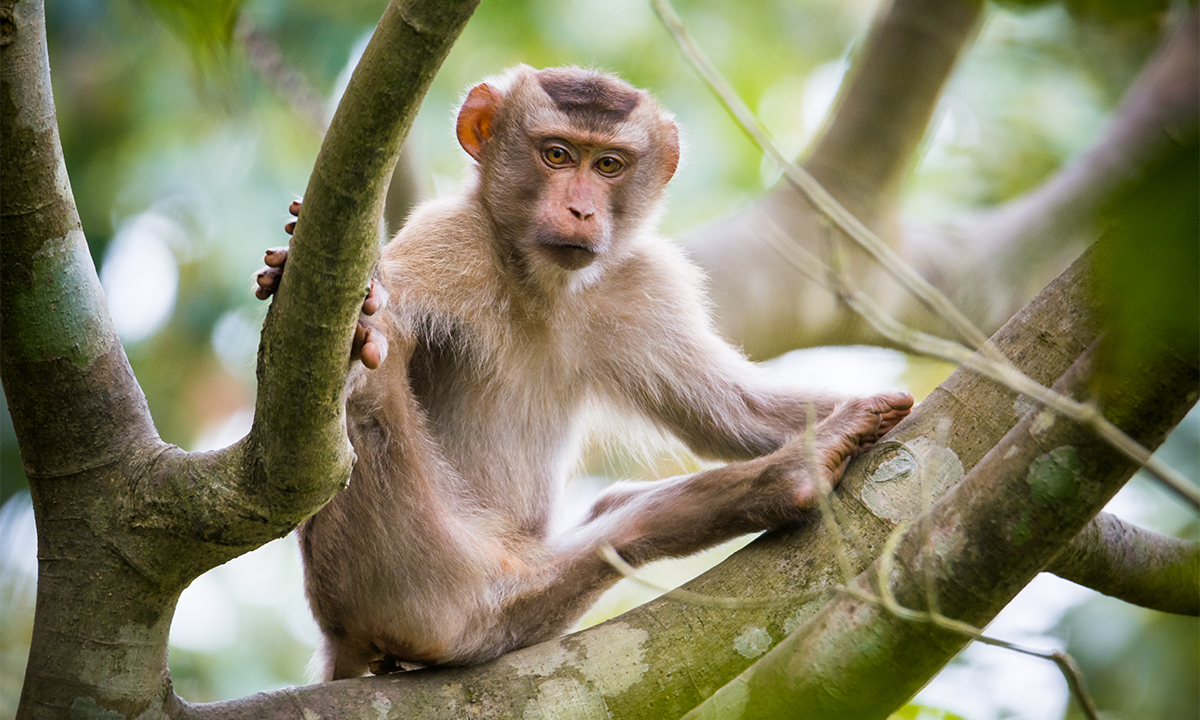
Makaken – Primaten ohne komplexe Lautnachahmung, die man sich kaum beim Breakdance in einem Club vorstellt – tanzen jetzt im Labor zu Backstreet Boys. Wissenschaftler trainierten sie mit Saftbelohnung, rhythmisch zu klopfen, und die Tiere folgten nicht nur dem Beat, sondern bevorzugten sogar das ursprüngliche Tempo, selbst wenn die Musik verändert wurde. Das widerlegt die lange akzeptierte ‚Hypothese der Lautmimikry‘, laut der nur Tiere mit Fähigkeit zur Schallimitation den Beat wahrnehmen können.
Der Knaller? Diese Affen brauchten intensives Training und fanden die Aufgabe trotzdem anstrengend – ganz anders als Menschen, die unwillkürlich mit dem Fuß wippen, wenn ein eingängiger Song spielt. Ist das also spontaner Rhythmus oder nur geschickte Konditionierung? Die Antwort könnte unser Verständnis von den tiefen Wurzeln der Musik im Gehirn verändern – und ob wir Tieren vielleicht allzu lange zu wenig zugetraut haben.
Diese Studie ist enorm – nicht weil Makaken plötzlich tanzen, sondern weil sie proto-rhythmische Kognition zeigen. Die Tatsache, dass sie das ursprüngliche Tempo bevorzugen, zeigt: Sie reagieren nicht nur auf akustische Signale, sondern bilden innere Erwartungen. Das ist Schritt eins zur Beat-Wahrnehmung. Wir haben die verstreuten evolutionären Wurzeln des Rhythmus womöglich unterschätzt.
Ehrlich gesagt: Ich habe jahrelang mit Makaken gearbeitet. Sie sind klug, aber sie ‚fühlen‘ keine Musik. Das ist Konditionierung – wie das Beibringen eines Hundes, sich umzudrehen. Sie klopfen, weil Saft folgt, nicht weil ‚Everybody‘ ihre Seele berührt.
Aber was heißt schon ‚Musik fühlen‘? Wenn ein Papagei Syntax lernen kann, versteht er dann Sprache? Wir projizieren menschliche Erfahrung auf neuronale Prozesse. Vielleicht ist ‚Mitfiebern‘ nur Vorhersage von Timing – mit einem Schuss Freude obendrauf.
Kleinkinder bewegen sich zum Beat, bevor sie sprechen. Jetzt tun es auch Affen. Vielleicht ist Rhythmus ursprünglicher als Sprache. Das stellt die gesamte Erzählung der menschlichen Entwicklung auf den Kopf. Mein Gehirn ist explodiert.
Sie brauchten Saftbelohnung. Tausende Versuche. Es ist operante Konditionierung, kein spontaner Rhythmus. Ruft mich an, wenn ein Wildaffe zu Spotify tanzt. Bis dahin halte ich meine Anthropomorphisierung im Zaum.
Nur weil es trainiert ist, heißt das nicht, dass es nicht echt ist. Laufenlernen ist auch trainiert. Aber wir sagen trotzdem, dass Babys ‚laufen lernen‘. Warum dann nicht auch ‚zum Beat tanzen lernen‘?
Diese Daten sind Gold wert für Modelle vorausschauender Gehirne. Selbst wenn die Affen konditioniert sind: Die Tatsache, dass sie sich auf das ursprüngliche Tempo einpendeln, zeigt, dass ihr Bewegungssystem einen Rhythmus ‚einfangen‘ kann. Genau das fällt unseren neuronalen Netzen schwer.
Moment – Affen und Menschen teilen sich Rhythmus-Schaltkreise? Das ist irre. Welche versteckten Talente haben Tiere noch? Als Nächstes erzählt ihr mir, dass das Kopfschieflegen meines Hundes tatsächlich komplexe Kognition ist.